
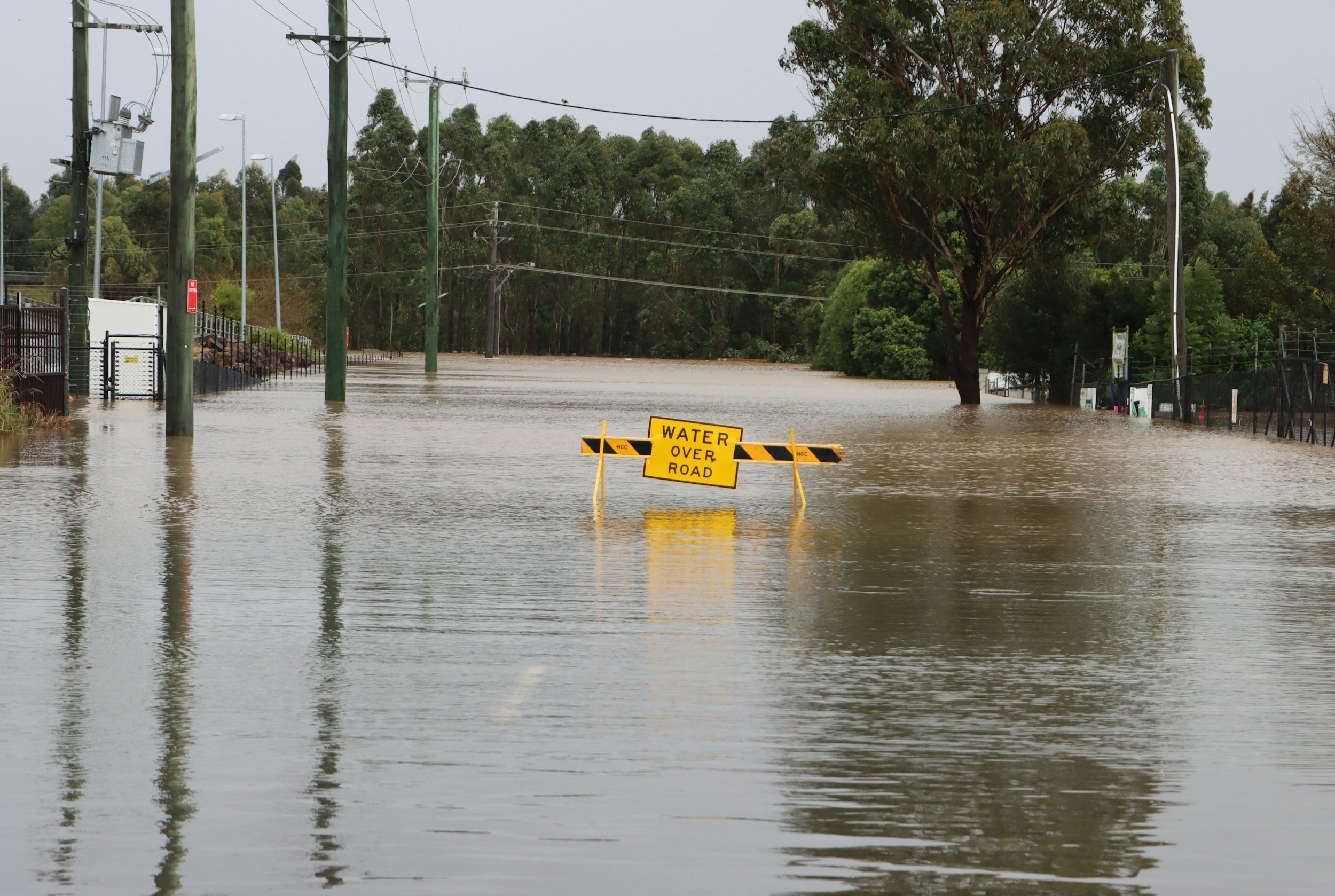
The house looks perfect. The location works, the price is right and you are ready to make an offer. But have you checked what happens to the property when heavy rain arrives?
In Queensland, flood risk is an important part of buying property, particularly in areas exposed to tropical storms, river flooding or intense rainfall.
And there is one detail many buyers do not realise: receiving a Seller Disclosure Statement does not mean you have been told the property's flooding history.
Here is what to check before you sign.
What does the Queensland Seller Disclosure Statement tell you?
Queensland's mandatory seller disclosure scheme commenced on 1 August 2025.
For most property sales covered by the scheme, the seller must provide a Form 2 Seller Disclosure Statement and prescribed certificates before the buyer signs the contract.
These documents provide important information about the property.
However, the scheme does not require the seller to include the property's flooding history in the disclosure statement.
That means a completed Form 2 should not be treated as confirmation that the home has never flooded or that it has no future flood risk.
Why flood risk is not always obvious
A property does not need to sit beside a river to be affected by flooding.
Depending on the location, risks can include river or creek flooding, storm tide inundation and overland flow from heavy rainfall.
Even if water has never entered the home itself, flooding may affect the driveway, street or access routes.
There is also an important difference between the ground level of a block and the floor level of the house.
A flood map showing an affected parcel of land does not automatically mean water will enter the living areas.
Equally, an absence of a particular map overlay should not be treated as a guarantee.
How can buyers check flood risk in Queensland?
Start with the relevant local council.
Councils are the best starting point for property level flood information, including local flood maps, planning overlays and available flood studies.
For Townsville buyers, Townsville City Council provides online flood mapping through TownsvilleMAPS and information about property searches.
For Brisbane properties, Brisbane City Council offers a Flood Awareness Map and FloodWise Property Reports.
When checking a property, consider not only whether the land may be affected, but also the types of flooding shown, the potential depth or extent where available, and whether roads or access could be cut off.
Statewide tools such as FloodCheck Queensland can provide useful regional context, but the Queensland Government specifically advises against using FloodCheck alone to determine flood risk for an individual property.
Check local council information and seek specialist advice if the findings are unclear.
What about insurance?
Flood risk can affect insurance premiums, policy terms and what cover is available.
Before signing, obtain an insurance quote for the specific property and ask your insurer what flood related events are covered, what exclusions or excesses apply, and when cover can begin.
Do not assume that the cost or availability of insurance will be the same as at your current home.
Is a building and pest inspection enough?
Not necessarily.
A building and pest inspection can identify visible defects and other concerns within its scope, but it is not a substitute for reviewing flood mapping or obtaining a specialist flood assessment.
If you are concerned about previous water damage, drainage or flood exposure, raise those concerns with the inspector and consider whether further investigations are needed.
Can you change your mind if you discover flood risk after signing?
Do not assume you can.
Your rights depend on the contract, any relevant conditions, the circumstances and applicable law.
The statutory cooling off period, where available, is limited and is not a substitute for completing due diligence before signing.
If flood information is important to your decision, speak with your solicitor before entering into the contract about appropriate searches, timing and whether a suitable special condition should be negotiated.
A few checks now can prevent a difficult surprise later
Flood risk does not automatically mean a property is unsuitable.
The important thing is understanding the information available, the limitations of that information and what the risk could mean for your intended use of the property.
Before signing, review the seller disclosure documents, investigate local flood information, consider insurance and have your contract checked.
Need help before you sign?
Jet Legal helps Queensland buyers understand their contracts, disclosure documents, searches and key conditions.
Send your contract to our team before signing so we can help identify the legal questions worth addressing early.
This article provides general information only and is not legal, engineering or insurance advice. Flood information, contract rights and insurance cover depend on the individual property and circumstances.