
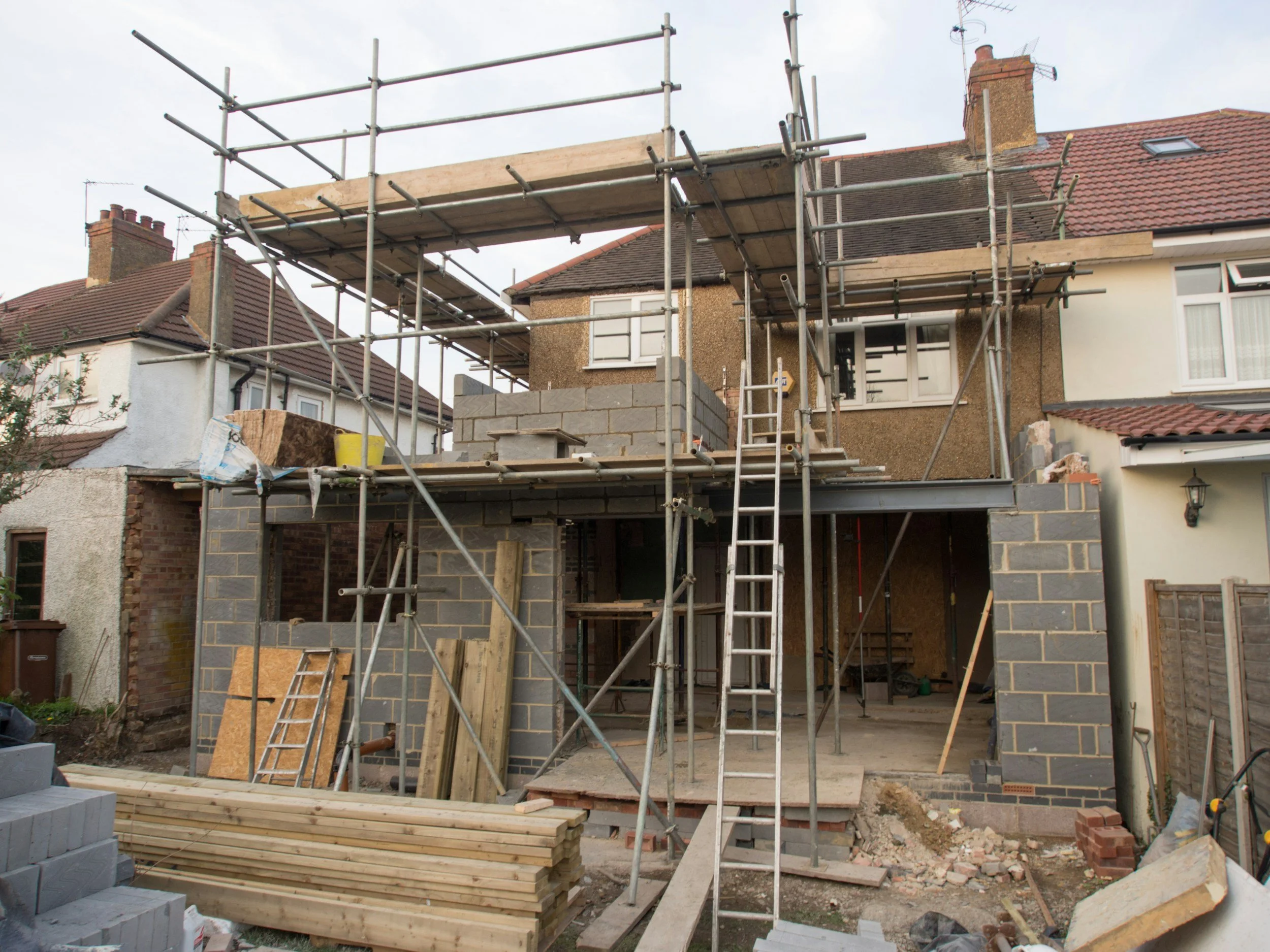
The house looks perfect. There is a beautiful outdoor deck, a spacious shed and perhaps a recently enclosed patio. Everything looks ready to enjoy.
But before signing a contract, there is an important question to ask: were those additions properly approved?
In Queensland, a structure being present at a property does not necessarily mean all required building approvals and final inspections are in place.
Here is why checking the paperwork matters.
What are building approvals?
Depending on the type, size, location and age of building work, approval may be required before construction.
Building certifiers assess applicable building requirements and inspect work at relevant stages. Local councils hold records of many building approvals and related documents.
Some minor work may be exempt or accepted development, so the absence of a record does not automatically prove that work was unlawful.
Equally, a visually attractive addition does not prove compliance.
What kinds of additions should buyers ask about?
Examples worth investigating include decks, patios, enclosed verandas, sheds, garages, carports, pools and extensions.
The applicable rules vary with the work and local requirements.
If a feature is important to your purchase, ask when it was built and whether the seller has approval and final inspection documents.
Does the Seller Disclosure Statement confirm everything is approved?
No.
Queensland's seller disclosure scheme, which commenced on 1 August 2025, requires prescribed information to be given before signing for most covered transactions.
However, it is not a comprehensive building compliance audit.
A buyer should not assume that receiving a Form 2 Seller Disclosure Statement means every structure on the property has been approved and finally certified.
What searches can you request?
A local council building records search can help identify recorded building approvals, inspection details and, depending on the council and search type, certificates or outstanding notices.
Councils offer searches for building approval records and final inspection information.
Search coverage and record availability vary, especially for older structures.
Compare the records with what you see at the property.
For example, if the documents show a house and garage but you also see a large enclosed patio, ask further questions rather than assuming it was approved.
A building and pest inspection is useful for assessing physical condition within the inspector's scope, but it does not replace a building approval records search.
What could happen if work was not approved?
Depending on the circumstances, unapproved or noncompliant work may create problems with future renovations, insurance, resale or council compliance.
Rectification or retrospective approval may be possible in some cases, but it should never be assumed to be simple or guaranteed.
The relevant council, building certifier or specialist can help clarify the technical position.
Can you cancel after discovering an issue?
Not automatically.
Your rights depend on the contract, any relevant conditions, the seller disclosure information and applicable law.
If a deck, extension or other structure is a major reason for buying, ask your solicitor before signing whether additional searches or an appropriate special condition should be considered.
What should you do before signing?
Ask for any available approval and final inspection documents for significant additions.
Consider a council building search and compare the results with the property as inspected.
If something does not match, investigate before committing.
How Jet Legal can help
At Jet Legal, we help Queensland property buyers review contracts, disclosure documents and the searches relevant to their purchase.
If you have questions about an addition to a property, send us your contract before signing.
We can explain the legal considerations and help identify when further enquiries or specialist advice may be needed.
Contact Jet Legal before you sign so you understand what you are buying.
This article provides general information only and does not constitute legal, building certification or insurance advice. Approval requirements and contractual rights depend on the property and individual circumstances.